Subfloor Preparation 101: What You Should Know Before Installing New Floors
When it comes to installing new flooring, most homeowners focus on the visible surface—the hardwood, vinyl, tile, or carpet that will transform the look of their space. But beneath that beautiful finish lies the unsung hero of a successful installation: the subfloor. Proper subfloor preparation is critical for durability, comfort, and long-term performance. Skipping this step can lead to squeaks, uneven surfaces, and even costly repairs down the road.
In this guide, we’ll break down everything you need to know about subfloor preparation before installing new floors.
What Is a Subfloor and Why Does It Matter?
The subfloor is the structural layer that sits on top of your home’s joists and beneath your finished flooring. It provides stability, support, and a level surface for your flooring material. Common subfloor materials include:
- Plywood – Most common in residential homes.
- OSB (Oriented Strand Board) – A cost-effective alternative to plywood.
- Concrete – Often found in basements and ground-level spaces.
A poorly prepared subfloor can cause:
- Uneven flooring
- Gaps or buckling
- Moisture damage
- Noise issues (creaks and squeaks)
Step 1: Inspect the Existing Subfloor
Before you start, remove the old flooring and inspect the subfloor for:
- Damage: Look for rot, mold, or water stains.
- Levelness: Use a straightedge or level to check for dips or high spots.
- Structural Integrity: Ensure there are no loose boards or weak areas.
Pro Tip: If you find significant damage, replace the affected sections rather than patching them.
Step 2: Clean and Clear the Surface
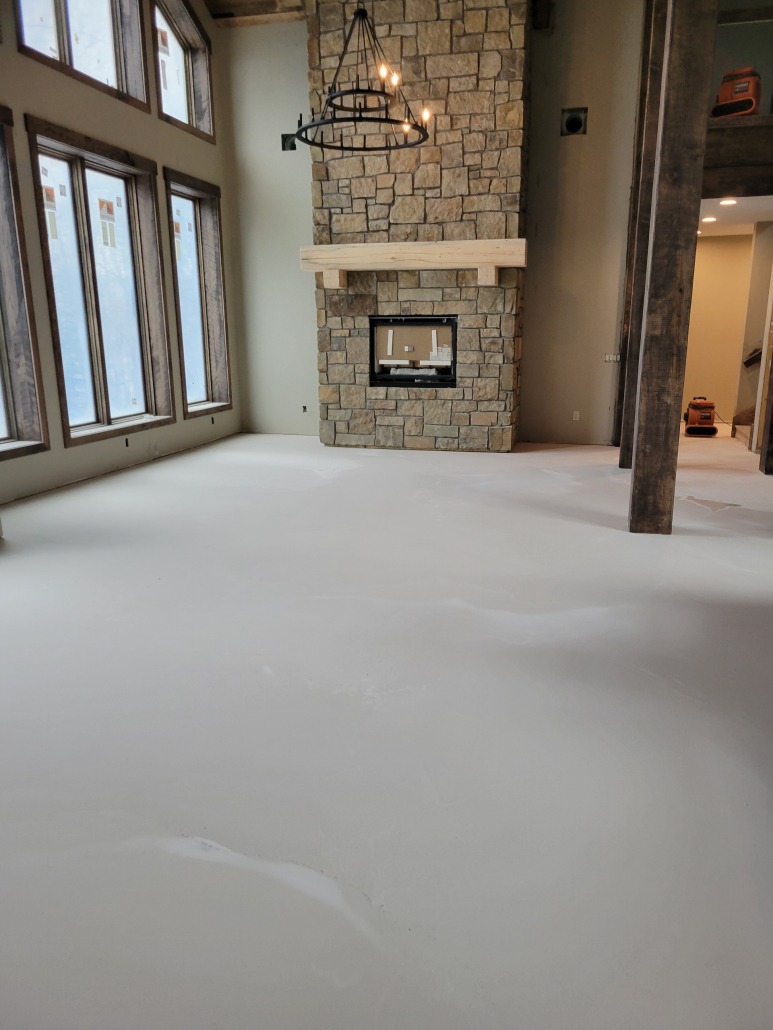
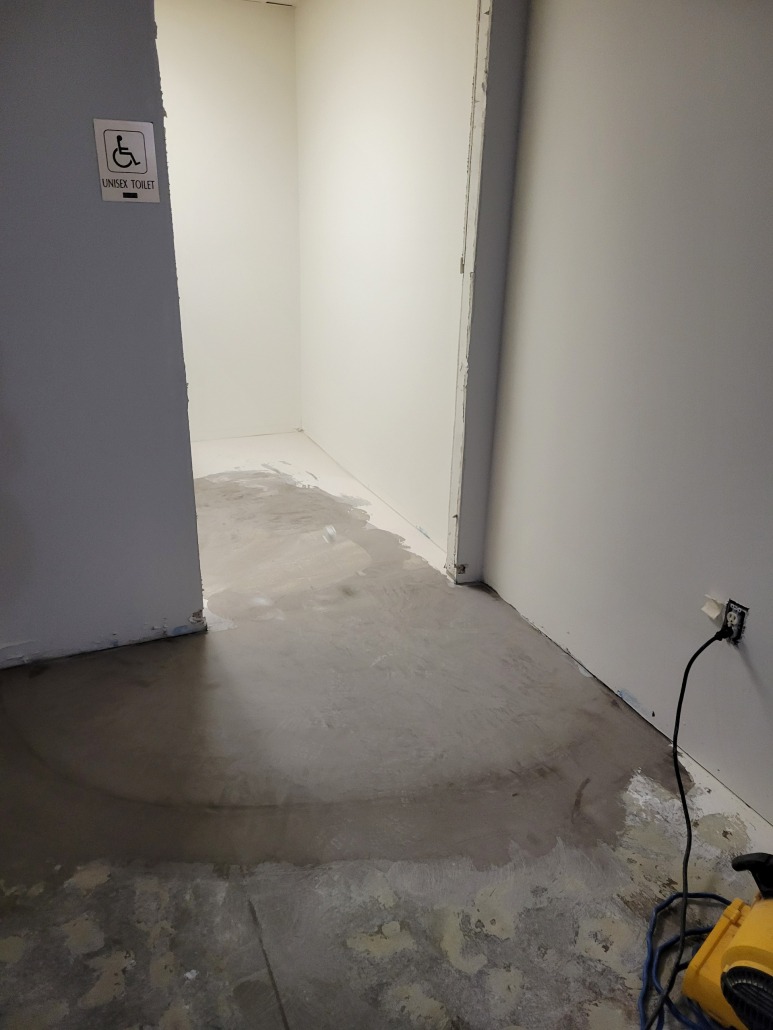
Dust, debris, and old adhesive can interfere with new flooring installation. Sweep thoroughly and, if necessary, use a scraper to remove stubborn residue. For concrete subfloors, consider using a vacuum with a HEPA filter to eliminate fine dust.
Step 3: Address Moisture Issues
Moisture is the enemy of flooring. For concrete subfloors:
- Perform a moisture test using a calcium chloride kit or a digital moisture meter.
- If moisture levels are high, apply a vapor barrier or sealant before installation.
For wood subfloors:
- Check for leaks or signs of water damage.
- Ensure proper ventilation in crawl spaces.
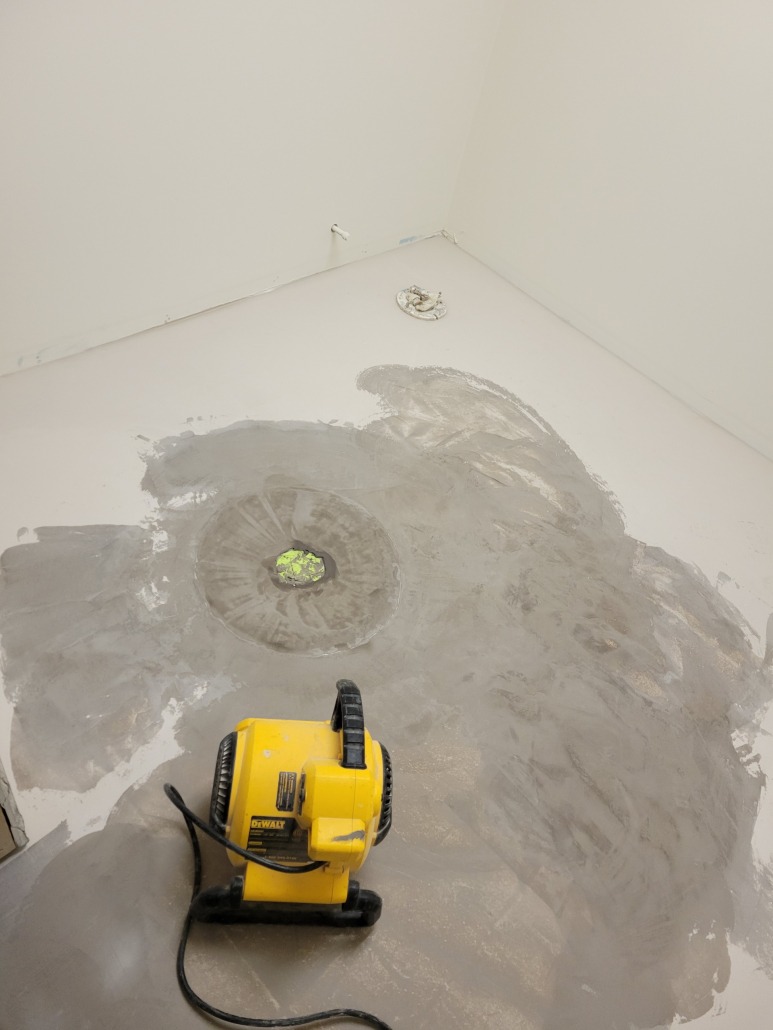
Step 4: Level the Subfloor
Uneven subfloors can cause flooring to shift or crack. Solutions include:
- Self-Leveling Compound: Ideal for concrete floors with minor dips.
- Sanding High Spots: For wooden subfloors.
- Shimming Low Areas: Using thin wood shims under plywood.
Step 5: Reinforce and Secure
Loose boards or squeaky spots? Secure them with screws (not nails) to prevent future movement. For concrete, fill cracks with patching compound.
Step 6: Install Underlayment (If Needed)
Underlayment provides:
- Moisture Protection
- Sound Reduction
- Extra Cushioning
Choose the right underlayment for your flooring type—foam for laminate, cork for soundproofing, or specialized pads for vinyl.
Common Mistakes to Avoid
- Skipping moisture testing
- Ignoring minor dips or bumps
- Using nails instead of screws
- Forgetting underlayment for sound and comfort
Final Thoughts
Subfloor preparation may not be glamorous, but it’s the foundation of a flawless flooring installation. Investing time and effort in this step ensures your new floors look great and last for years.
Need Professional Help?
At House2Home, we don’t just install floors—we make sure the foundation is perfect. Contact us today for expert subfloor inspection and preparation services.

 https://house2homeflooring.com/wp-content/uploads/2026/05/Pro-Feature.png
323
453
Candy Weisenberger
https://house2homeflooring.com/wp-content/uploads/2019/04/House2Home-Logo-Color.png
Candy Weisenberger2026-05-14 16:39:522026-05-14 17:34:22Why Professional Flooring Consultations Beat Online Ordering
https://house2homeflooring.com/wp-content/uploads/2026/05/Pro-Feature.png
323
453
Candy Weisenberger
https://house2homeflooring.com/wp-content/uploads/2019/04/House2Home-Logo-Color.png
Candy Weisenberger2026-05-14 16:39:522026-05-14 17:34:22Why Professional Flooring Consultations Beat Online Ordering https://house2homeflooring.com/wp-content/uploads/2026/04/VS-Feature.png
323
453
Candy Weisenberger
https://house2homeflooring.com/wp-content/uploads/2019/04/House2Home-Logo-Color.png
Candy Weisenberger2026-05-05 12:55:092026-04-15 16:22:50Blinds vs Shades vs Shutters: What’s the Difference?
https://house2homeflooring.com/wp-content/uploads/2026/04/VS-Feature.png
323
453
Candy Weisenberger
https://house2homeflooring.com/wp-content/uploads/2019/04/House2Home-Logo-Color.png
Candy Weisenberger2026-05-05 12:55:092026-04-15 16:22:50Blinds vs Shades vs Shutters: What’s the Difference? https://house2homeflooring.com/wp-content/uploads/2026/04/Style-Feature.png
323
453
Candy Weisenberger
https://house2homeflooring.com/wp-content/uploads/2019/04/House2Home-Logo-Color.png
Candy Weisenberger2026-04-28 12:24:482026-04-15 14:54:35How to Choose Flooring That Matches Your Interior Design Style
https://house2homeflooring.com/wp-content/uploads/2026/04/Style-Feature.png
323
453
Candy Weisenberger
https://house2homeflooring.com/wp-content/uploads/2019/04/House2Home-Logo-Color.png
Candy Weisenberger2026-04-28 12:24:482026-04-15 14:54:35How to Choose Flooring That Matches Your Interior Design Style


 Flooring Choices for Cold, Humid Minnesota Winters