Flooring Harmony:
Coordinating Wall Colors with Carpet, Hardwood, and Luxury Vinyl
Coordinating different flooring types with wall colors is essential for creating a harmonious and visually appealing space. Let’s dive into some practical tips for achieving that perfect balance:
1. Hard Surface Flooring
(Hardwood or Luxury Vinyl Tile)
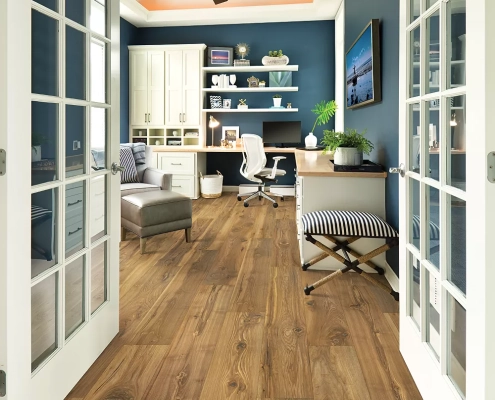
Hard surface flooring, whether it’s hardwood or luxury vinyl tile (LVT), offers a clean and classic look. Here’s how to coordinate it with your wall colors:
DO THIS:
- Lighter Finishes: Light-colored finishes like bright greys or light wood can make a room feel more open. Pair them with white cabinetry and alcove lighting for a breezy, spacious effect.
- Dark Finishes: Dark hardwoods create an intimate feel in large spaces. Combine them with the right lighting and decor for a high-end design impact.
- Define Space with Rugs: Break up hard surface floors with rugs. They add color accents and divide rooms into functional zones.
DON’T DO THIS:
- Match Everything: Avoid matching your flooring and wall colors too closely. Instead, aim for complementary shades.
2. Carpeting
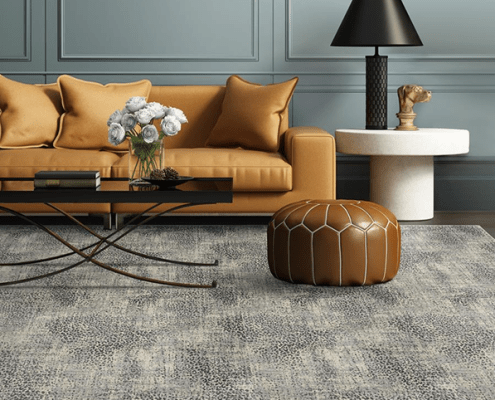
Carpeting adds warmth and comfort to a room. Here’s how to coordinate it:
DO THIS:
- Neutral Tones: Neutral carpets work well with any wall color. Consider beige, taupe, or light grey.
- Colorful Accents: Use area rugs or carpet tiles to introduce pops of color without overwhelming the space.
DON’T DO THIS:
- Exact Color Match: Avoid choosing carpet that exactly matches your wall color. A slight contrast adds depth.
3. Coordinating with Tile Flooring
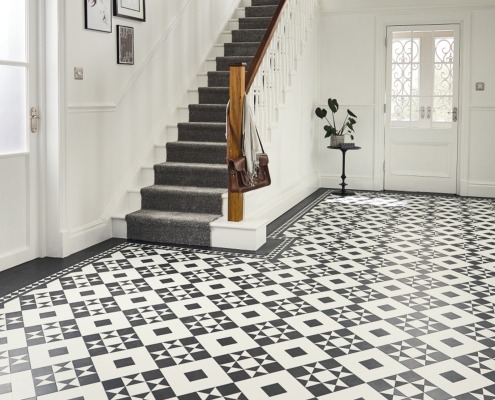
Tile flooring, whether ceramic, porcelain, or decorative, offers endless possibilities. Here’s how to coordinate it:
DO THIS:
- Consistent Color Palette: Choose tile colors that harmonize with your wall palette. For example, if your walls have warm tones, opt for earthy tile shades.
- Consider Grout Color: Grout color matters! Light grout makes tiles stand out, while dark grout creates a seamless look.
DON’T DO THIS:
- Ignoring Transition Areas: Pay attention to transitions between different flooring types. Use coordinating thresholds or transition strips.
Remember, achieving a cohesive look involves creativity, balance, and restraint. Whether you’re renovating or designing a custom home, thoughtful coordination between flooring and wall colors can transform your space into a harmonious haven.