Flooring Trends for 2026 — What to Watch For
The flooring world is shifting fast. As homeowners increasingly value sustainability, comfort, and character, the next wave of trends is blending craftsmanship with innovation. Heading into 2026, here are the biggest shifts designers and manufacturers are seeing — and what you should watch for.
1. Warmth Returns: Tones & Textures
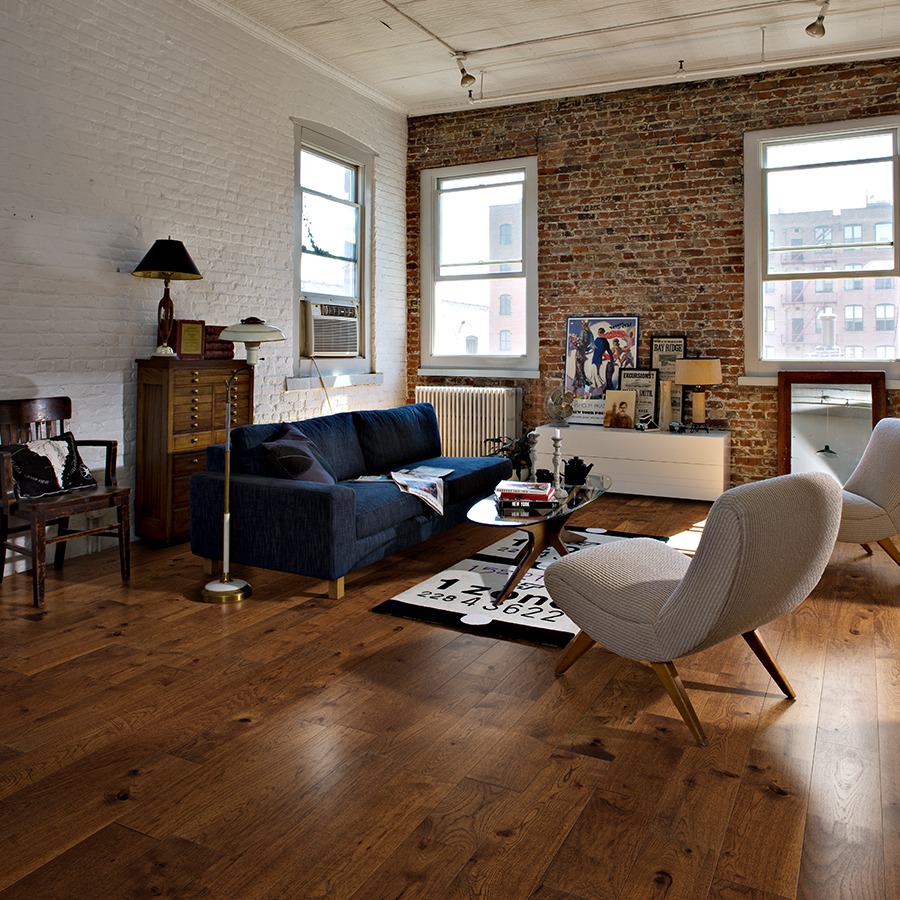
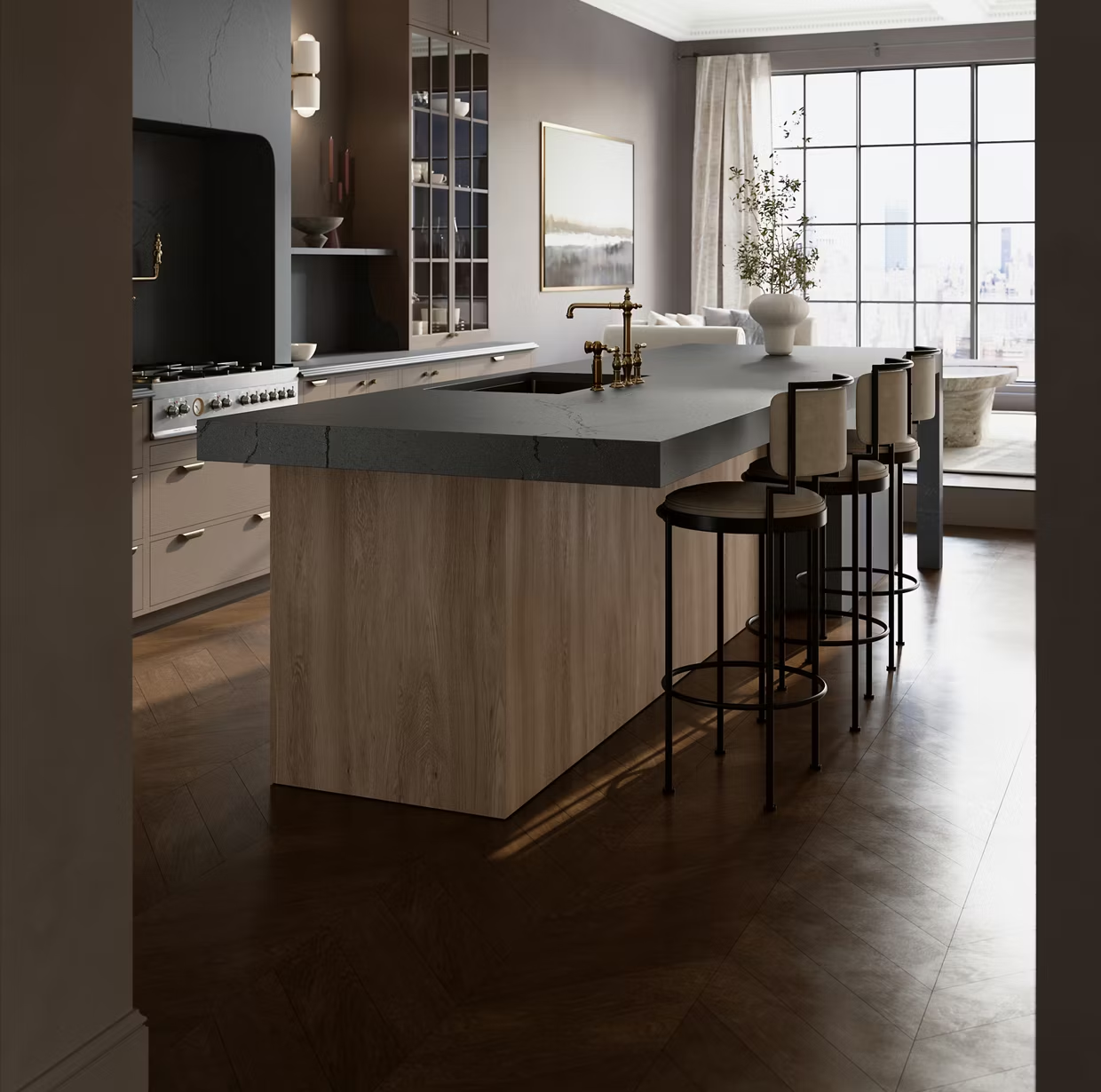
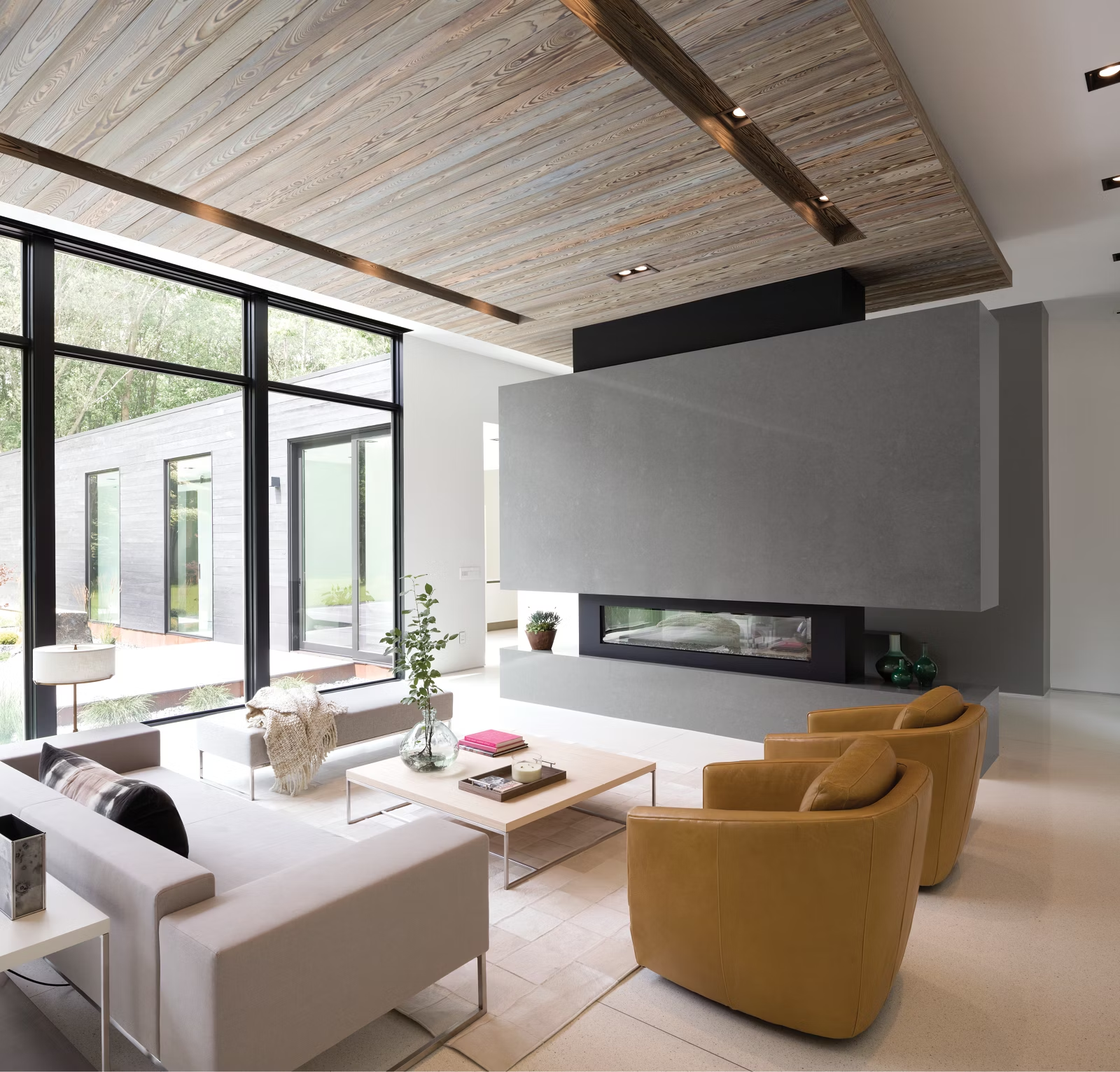
After years of the cool grey/washed-out look dominating interiors, 2026 is shaping up to be a time when warm tones make a strong comeback. Think honey oak, caramel, chestnut, and other rich, comforting tones. These add depth, coziness, and pair beautifully with natural materials and soft lighting.
Texture will work hand in hand with color. Wire-brushed, hand-scraped, or slightly distressed surfaces allow wood flooring to show more character and natural imperfections. Matte and satin finishes are preferred over high gloss—for their softer look and better ability to hide wear.
2. Sustainable & Natural Material Choices
The push for eco-friendly, low-impact materials keeps getting stronger. In 2026, sustainability won’t just be a “nice extra”—it’ll be a deciding factor for many buyers. Flooring made from responsibly sourced wood, reclaimed materials, recycled content, or renewable fibers will continue to grow in popularity.
Also, key are low-VOC finishes, natural oil treatments, and certifications (FSC, LEED, etc.). These appeal not only to the environmentally conscious but also to households concerned with indoor air quality.
3. Large & Long: Expansive Floors
Wide, long planks are going to keep their momentum. By minimizing seams and creating more continuous visual flow, they make spaces—especially open concept ones—feel bigger and more elegant.
Alongside this, large-format tiles (porcelain or stone-look) are gaining ground—especially with tile manufacturers improving texture realism and matte finishes. These big tiles help reduce grout lines and deliver cleaner aesthetics.
4. Pattern & Statement Floors: Accents with Personality
While simplicity and calm dominate, there’s still room for floors that make a statement:
-
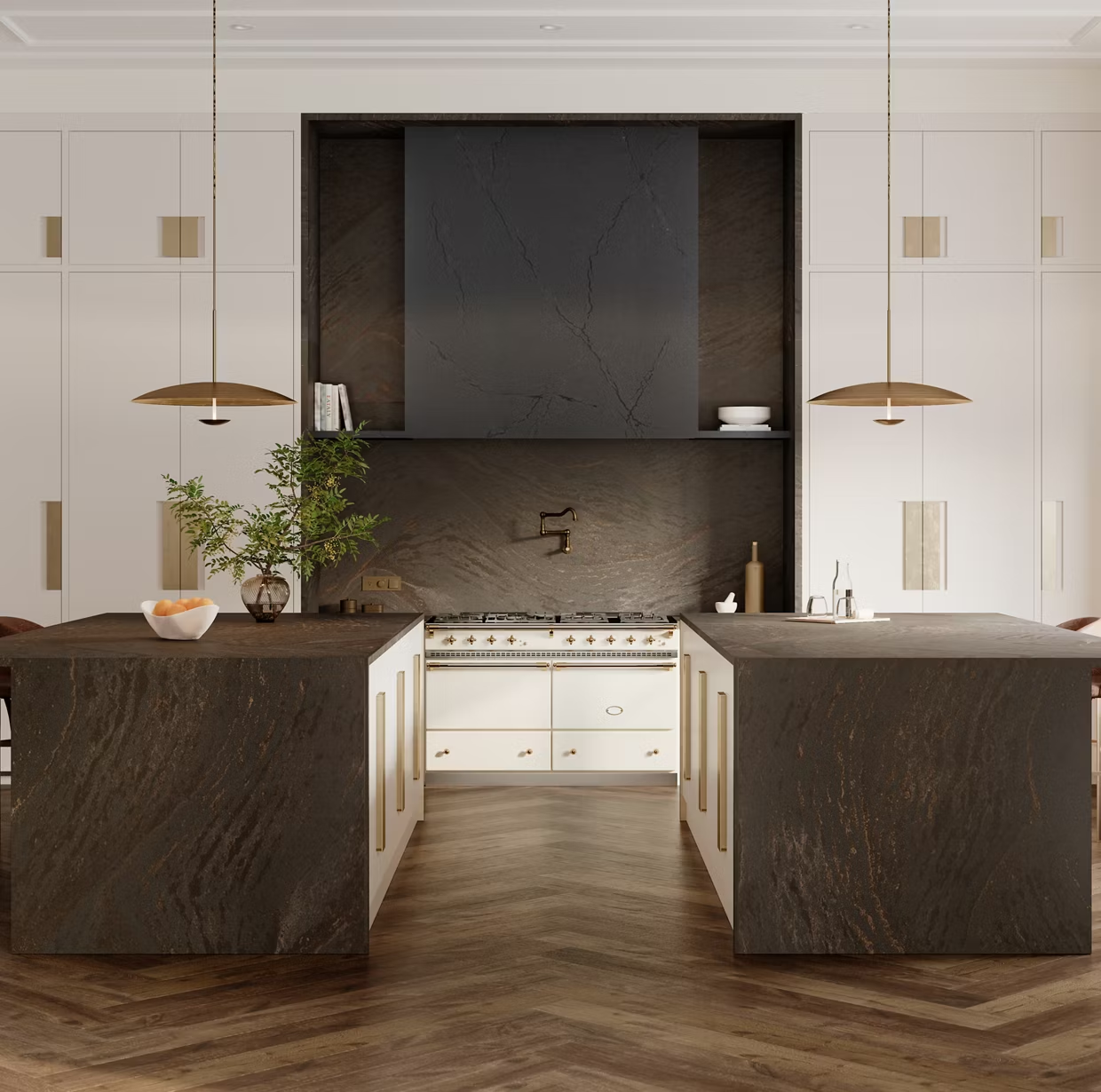
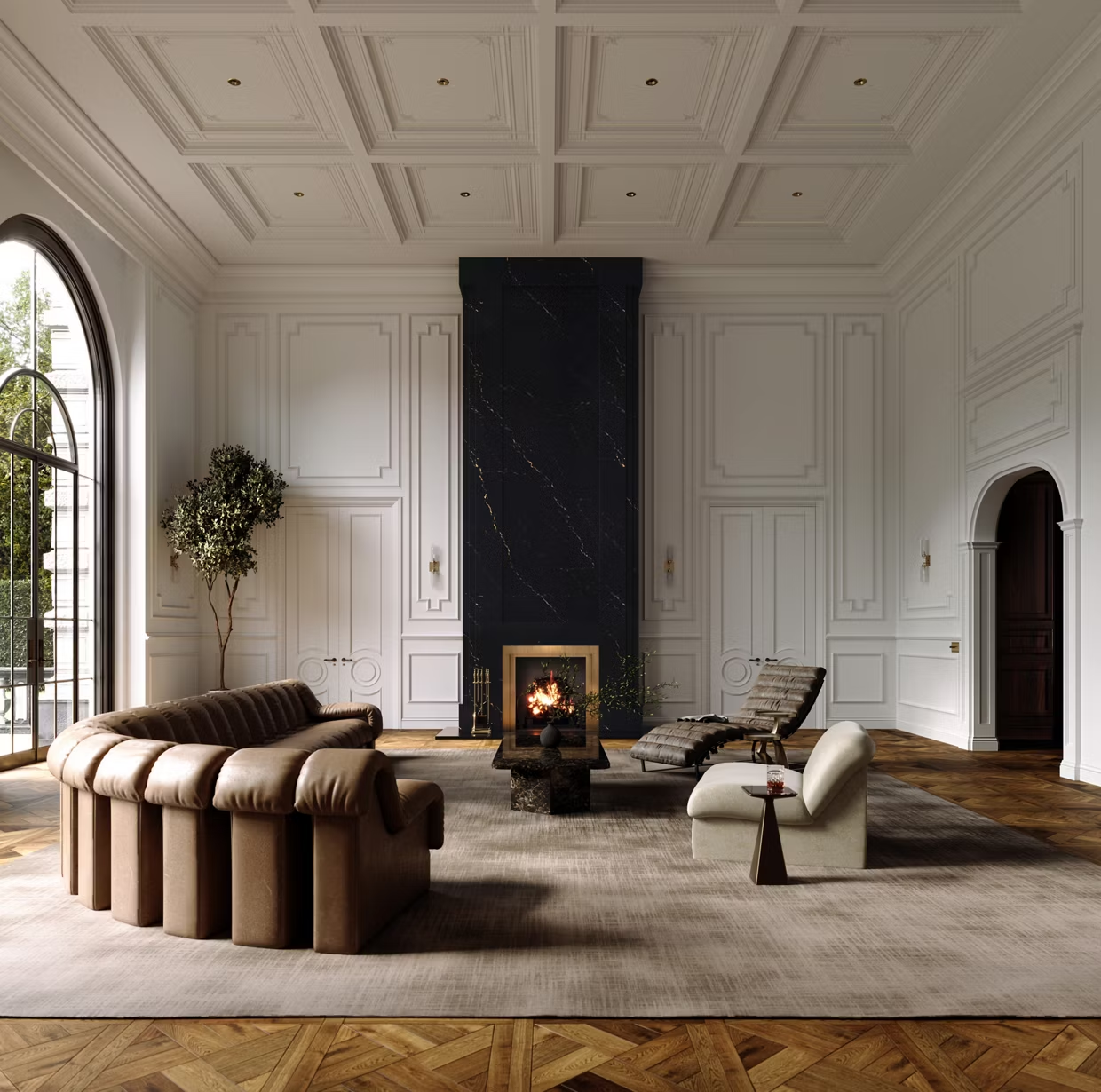
Geometric patterns like herringbone and chevron are making a comeback—especially as accent zones, entryways, or focal areas.
-
Checkerboards (especially in classic or reimagined palettes) are trending. Not just black & white—terracotta/earth tones paired with whites or creams are gaining attention.
-
Mixed-width planks or subtle variation in plank size/species, which help create a bespoke or artisanal feel.
These more expressive styles tend to work best when balanced with calm surroundings, so the floor doesn’t overwhelm.
5. Waterproof, Durable & Realistic Alternatives
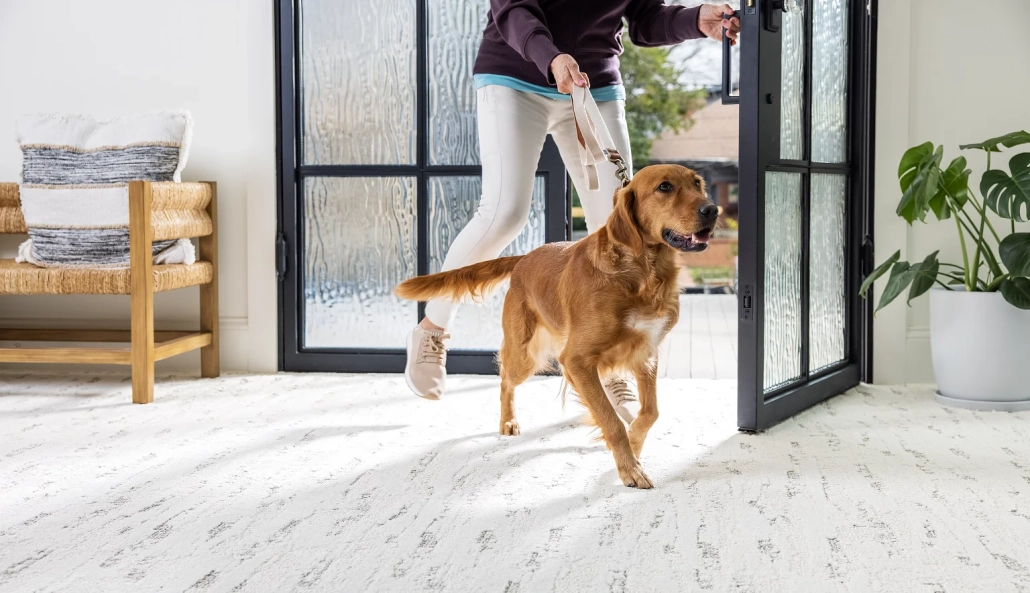
Practicality is non-negotiable. Many homeowners want beauty and durability, especially in moisture-prone or high-traffic areas (kitchens, bathrooms, entries, mud rooms, etc.).
-
Luxury Vinyl Plank (LVP) and high-end laminates are getting better all the time: more realistic wood or stone visuals, more convincing textures, better water resistance.
-
Stone-look waterproof flooring is also seeing more use—bringing the drama of marble or slate without the cold feel or maintenance.
-
Finishes and surfaces that hide wear: embossed grains, textured surfaces, low sheen finishes. These not only look good but age well.
6. Quiet Luxury & Organic Modernism
Designers are talking about “Quiet Luxury” — subtle elegance, high-quality materials, craftsmanship, muted palettes, and textures rather than flashy finishes.
Organic Modern is also growing: interiors that blend natural elements (wood, stone, vegetal textures), imperfect finishes, and biophilic touches—bringing indoors a sense of calm, natural beauty.
7. What’s Fading: Styles Likely to Decline
To round out the view, here are trends that seem to be losing steam and may be best to avoid if you’re planning something that should feel current in 3-5 years:
-
Cool greys & ultra-whitewashed woods, which have dominated for years, are being replaced by warmer neutrals.
-
High gloss surfaces — they tend to show scratches/dust more and look less natural. The shift is toward matte, satin, or oiled finishes.
-
Very narrow planks — they work in certain traditional or small spaces, but in many modern open-concept homes they can break up the visual flow too much.
-
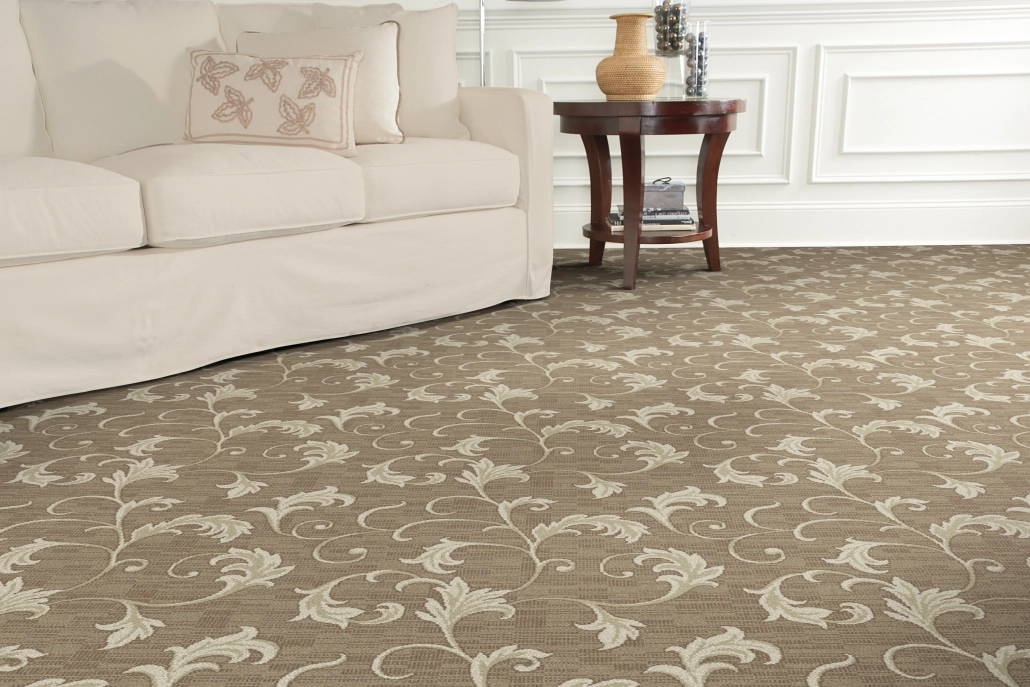
Styles that feel overly trendy in one era but lack longevity—very busy graphic patterns unless carefully balanced. Sometimes less is more.
8. Sneak Peeks & Innovations to Keep an Eye On
Looking ahead, here are some emerging innovations (still in early stages, but promising) for 2026 and beyond:
-
Advanced printing & embossing to create even more realistic wood/stone/texture effects in vinyl and laminate.
-
Smart or functional floors: Think improved traction, acoustic backing, possibly floors that incorporate radiant heating or under-floor sensors.
-
Modular / hybrid flooring systems: Pieces that can combine materials (ex: segmenting carpet tiles into hard surface floors) or easily swapped out zones, especially useful in homes that are multi-use (office / gym / playroom).
-
Circular design and reclaim: More reuse of existing floors, reclaimed woods, recycled core materials in vinyl/laminates. Also, innovations in manufacturing to reduce waste.
What This Means for Homeowners
-
When choosing flooring today, think beyond just what you like — consider what you’ll still like in 5-10 years. A good mid-term trend is warm, real, textured, durable.
-
Balance style and function. If you get a statement floor, offset it with more subdued walls, furniture, or décor so it feels intentional—not overwhelming.
-
Don’t sacrifice comfort. Features like underfoot warmth, noise absorption, and ease of cleaning are increasingly important.
-
Plan your budget: premium finishes or wide, long planks can cost more in materials and installation. However, if durability is high and maintenance low, they pay off over time.
Final Thoughts
2026’s flooring trends are less about flashy novelty and more about authenticity, warmth, function, and longevity. It’s about materials that feel good underfoot, look natural, and remain relevant. If you’re planning flooring upgrades, aim for something with soul: warm tones, thoughtful textures, sustainable practices—and don’t forget to let the floor tell a story.

 https://house2homeflooring.com/wp-content/uploads/2026/05/Pro-Feature.png
323
453
Candy Weisenberger
https://house2homeflooring.com/wp-content/uploads/2019/04/House2Home-Logo-Color.png
Candy Weisenberger2026-05-14 16:39:522026-05-14 17:34:22Why Professional Flooring Consultations Beat Online Ordering
https://house2homeflooring.com/wp-content/uploads/2026/05/Pro-Feature.png
323
453
Candy Weisenberger
https://house2homeflooring.com/wp-content/uploads/2019/04/House2Home-Logo-Color.png
Candy Weisenberger2026-05-14 16:39:522026-05-14 17:34:22Why Professional Flooring Consultations Beat Online Ordering https://house2homeflooring.com/wp-content/uploads/2026/04/VS-Feature.png
323
453
Candy Weisenberger
https://house2homeflooring.com/wp-content/uploads/2019/04/House2Home-Logo-Color.png
Candy Weisenberger2026-05-05 12:55:092026-04-15 16:22:50Blinds vs Shades vs Shutters: What’s the Difference?
https://house2homeflooring.com/wp-content/uploads/2026/04/VS-Feature.png
323
453
Candy Weisenberger
https://house2homeflooring.com/wp-content/uploads/2019/04/House2Home-Logo-Color.png
Candy Weisenberger2026-05-05 12:55:092026-04-15 16:22:50Blinds vs Shades vs Shutters: What’s the Difference? https://house2homeflooring.com/wp-content/uploads/2026/04/Style-Feature.png
323
453
Candy Weisenberger
https://house2homeflooring.com/wp-content/uploads/2019/04/House2Home-Logo-Color.png
Candy Weisenberger2026-04-28 12:24:482026-04-15 14:54:35How to Choose Flooring That Matches Your Interior Design Style
https://house2homeflooring.com/wp-content/uploads/2026/04/Style-Feature.png
323
453
Candy Weisenberger
https://house2homeflooring.com/wp-content/uploads/2019/04/House2Home-Logo-Color.png
Candy Weisenberger2026-04-28 12:24:482026-04-15 14:54:35How to Choose Flooring That Matches Your Interior Design Style


 Mixing Styles: Incorporating Vintage & Retro Flooring in Modern Homes