Why Your Flooring Should Be Chosen Before Your Paint Color
When planning a home update, many homeowners start by choosing paint colors. It seems logical—paint is visible, relatively inexpensive, and can dramatically change the feel of a room.
However, professional designers often take the opposite approach.
In fact, one of the most valuable flooring design tips is this: choose your flooring before your paint color.
At House2Home Flooring & Design Studio, we frequently meet homeowners who have already selected paint, only to discover later that finding flooring to complement it is much more difficult than expected. By reversing the process, you can create a more cohesive design, simplify decision-making, and achieve better long-term results.
Here’s why choosing flooring and paint in the right order can make all the difference.
Flooring Is a Long-Term Investment
Paint can be changed relatively quickly and affordably. Flooring, on the other hand, is a larger investment that’s designed to last for many years.
Most homeowners will repaint a room multiple times before replacing their floors.
Because flooring typically remains in place much longer, it makes sense to build your design around it.
Think of flooring as the foundation of your room’s color palette. Once that foundation is established, paint becomes much easier to select.
Flooring Has More Variables Than Paint
Paint comes in thousands of colors, and any color can usually be mixed or adjusted.
Flooring doesn’t offer the same flexibility.
When selecting flooring, you’re choosing:
- Color
- Undertones
- Texture
- Grain patterns
- Sheen levels
- Material type
Once installed, those characteristics become permanent features of the space.
Paint can then be customized to complement the flooring rather than forcing the flooring to match a paint color selected months earlier.
Undertones Matter More Than Most Homeowners Realize
One of the biggest challenges in choosing flooring and paint is understanding undertones.
A floor may appear beige, gray, brown, or white at first glance, but beneath the surface are subtle warm or cool tones that influence the entire room.
For example:
- Warm flooring may contain gold, honey, or red undertones.
- Cool flooring may feature gray, taupe, or ash undertones.
If the paint and flooring undertones conflict, the room can feel disjointed—even if both selections are attractive individually.
Choosing flooring first makes it much easier to identify paint colors that work harmoniously with those undertones.
Flooring Covers More Visual Space Than You Think
Many homeowners underestimate the visual impact of flooring.
In reality, flooring often represents the largest uninterrupted surface in a room.
Because it spans the entire floor area, it naturally commands attention and influences how every other design element is perceived.
Paint occupies wall space, but flooring affects the entire room from every angle.
For this reason, flooring often has a greater influence on the overall color scheme than paint.
Lighting Changes Everything
Lighting affects both paint and flooring, but flooring tends to react differently throughout the day.
Natural sunlight, LED lighting, and seasonal changes can all alter how flooring colors appear.
This is especially important in Minnesota homes, where daylight conditions vary dramatically between summer and winter.
By selecting flooring first and viewing samples in your home’s lighting conditions, you can make more informed paint decisions afterward.
Flooring Connects Multiple Rooms
Paint colors often vary from room to room.
Flooring frequently does not.
Many modern homes feature continuous flooring throughout kitchens, dining rooms, hallways, and living areas. Because flooring connects multiple spaces, it becomes a unifying design element.
Choosing flooring first helps ensure consistency throughout the home and makes it easier to select coordinating paint colors for individual rooms later.
Paint Is Easier to Adjust
One of the simplest reasons designers recommend flooring first is flexibility.
If you choose flooring and later decide a paint color isn’t quite right, repainting is relatively easy.
If you choose paint first and later realize the flooring doesn’t coordinate well, changing flooring becomes much more expensive and disruptive.
When given the choice, it’s generally smarter to adjust the less expensive design element.
Common Mistakes Homeowners Make
When flooring is selected after paint, homeowners often encounter challenges such as:
- Clashing undertones
- Limited flooring options
- Compromised design choices
- Rooms that feel visually disconnected
- Regret after installation
Many of these issues can be avoided by establishing the flooring selection first.
A Better Design Process
Professional designers often follow a simple sequence:
Step 1: Choose Flooring
Select the material, color, and style that best fits your lifestyle and design goals.
Step 2: Select Cabinets and Large Fixed Elements
Coordinate cabinetry, countertops, and major finishes with the flooring.
Step 3: Choose Paint Colors
Use paint to complement the flooring and fixed elements.
Step 4: Add Furnishings and Accessories
Complete the room with furniture, rugs, artwork, and décor.
Following this process creates a more cohesive and intentional design.
Seeing Samples Together Makes a Difference
One of the biggest advantages of visiting a showroom is the ability to compare flooring and paint selections side by side.
A flooring sample that looks perfect online may appear very different when placed next to your cabinetry, trim, and wall colors.
Viewing products together allows you to make confident decisions and avoid costly surprises.
The Bottom Line
When it comes to choosing flooring and paint, flooring should usually come first.
Because flooring is a long-term investment, influences the entire design palette, and is more difficult to change, it serves as the foundation for nearly every other design decision in the room.
Paint can then be selected to complement your flooring rather than compete with it.
That’s one of the simplest—and most effective—flooring design tips homeowners can follow.
Let House2Home Help You Build a Cohesive Design
At House2Home Flooring & Design Studio, we help homeowners bring all the pieces together. Whether you’re updating a single room or redesigning an entire home, our team can help you coordinate flooring, paint, cabinetry, and other finishes with confidence.
Ready to Start Your Project?
Visit our showroom or schedule a consultation today. We’ll help you select flooring first—and make every other design decision easier from there.


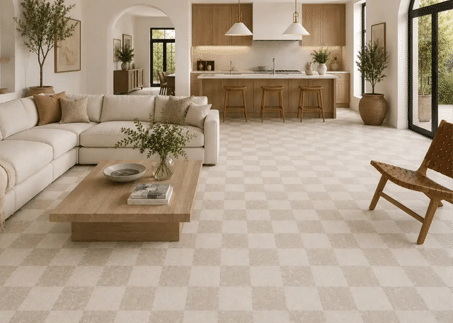 https://house2homeflooring.com/wp-content/uploads/2026/11/checker-Feature.png
323
453
Candy Weisenberger
https://house2homeflooring.com/wp-content/uploads/2019/04/House2Home-Logo-Color.png
Candy Weisenberger2026-11-03 12:09:582026-10-12 20:31:25Checkerboard Tile Is Back: A Timeless Pattern with a Modern Twist
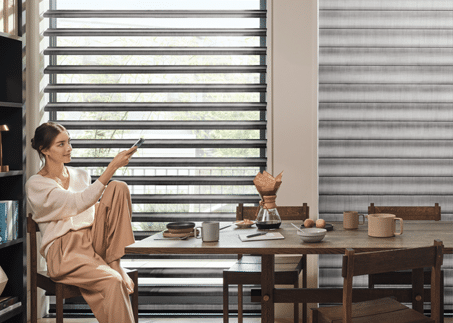 https://house2homeflooring.com/wp-content/uploads/2026/10/motor-Feature.png
323
453
Candy Weisenberger
https://house2homeflooring.com/wp-content/uploads/2019/04/House2Home-Logo-Color.png
Candy Weisenberger2026-10-27 12:42:172026-09-29 17:26:00Motorized Window Shades: Are They Worth It?
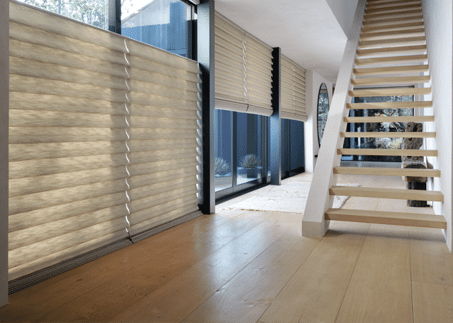 https://house2homeflooring.com/wp-content/uploads/2026/09/Privacy-Feature.png
323
453
Candy Weisenberger
https://house2homeflooring.com/wp-content/uploads/2019/04/House2Home-Logo-Color.png
Candy Weisenberger2026-10-13 15:53:392026-09-29 16:39:35How to Choose Window Treatments for Privacy Without Losing Natural Light


