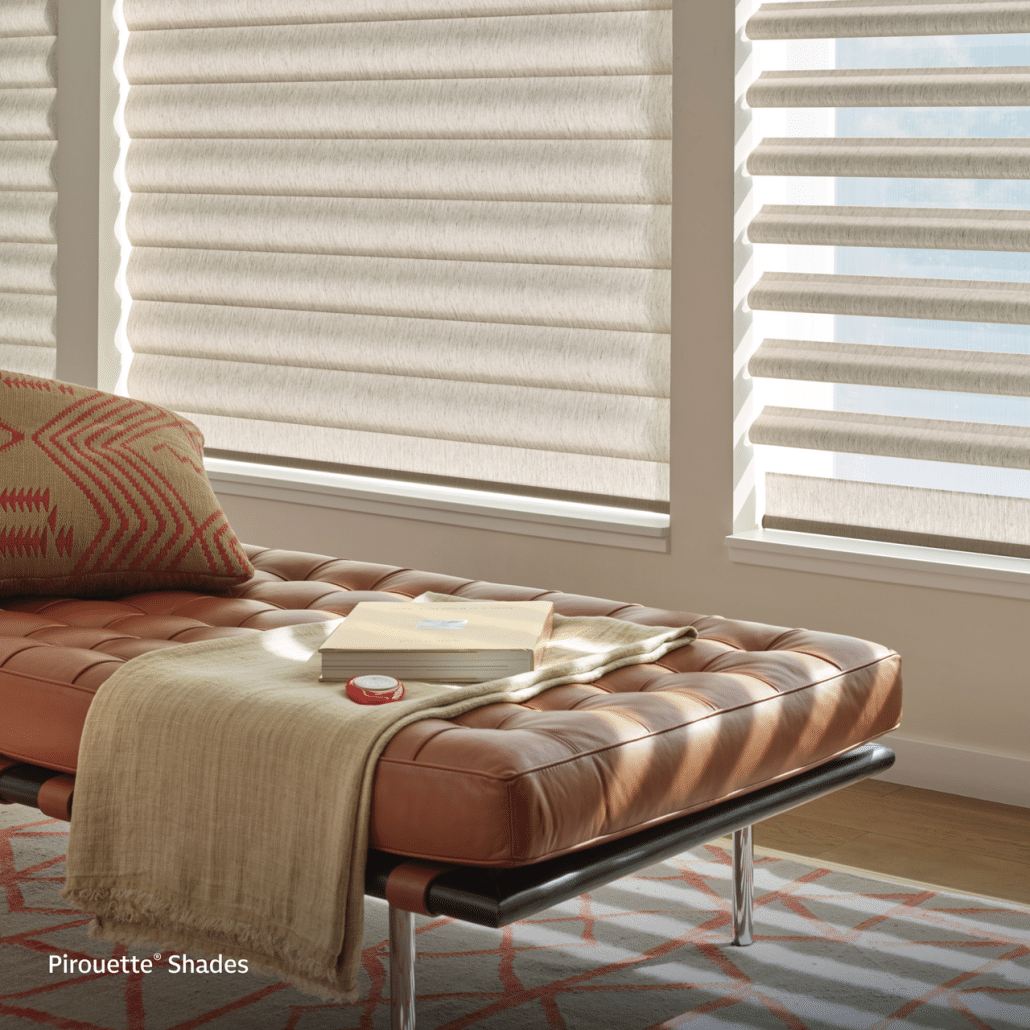
Motorized Window Shades:
Are They Worth It?

Are They Worth It?
Imagine opening the shades throughout your living room without leaving the couch, lowering bedroom shades automatically at sunset, or adjusting a hard-to-reach window with the touch of a button.
That’s the appeal of motorized window shades.
What was once considered primarily a luxury feature has become an increasingly practical window-treatment option. Motorization can make shades easier to operate, help manage privacy and natural light, eliminate dangling cords and make large or difficult-to-reach windows much more functional.
But motorized shades also cost more than manually operated window treatments, which raises an important question:
Are motorized window shades actually worth it?
For some homes, motorization is primarily about convenience. For others, it can solve a real functional problem. Understanding how you’ll use your shades is the best place to start.
Motorized shades use a small motor to raise, lower or adjust the window treatment instead of requiring you to operate it manually.
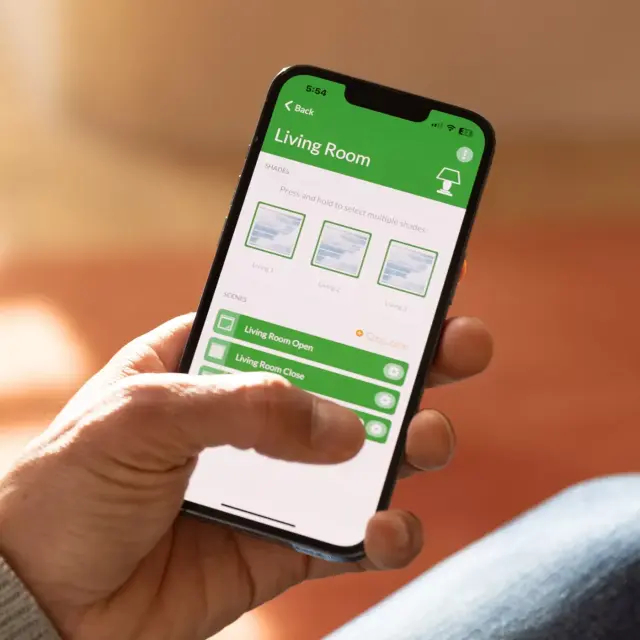
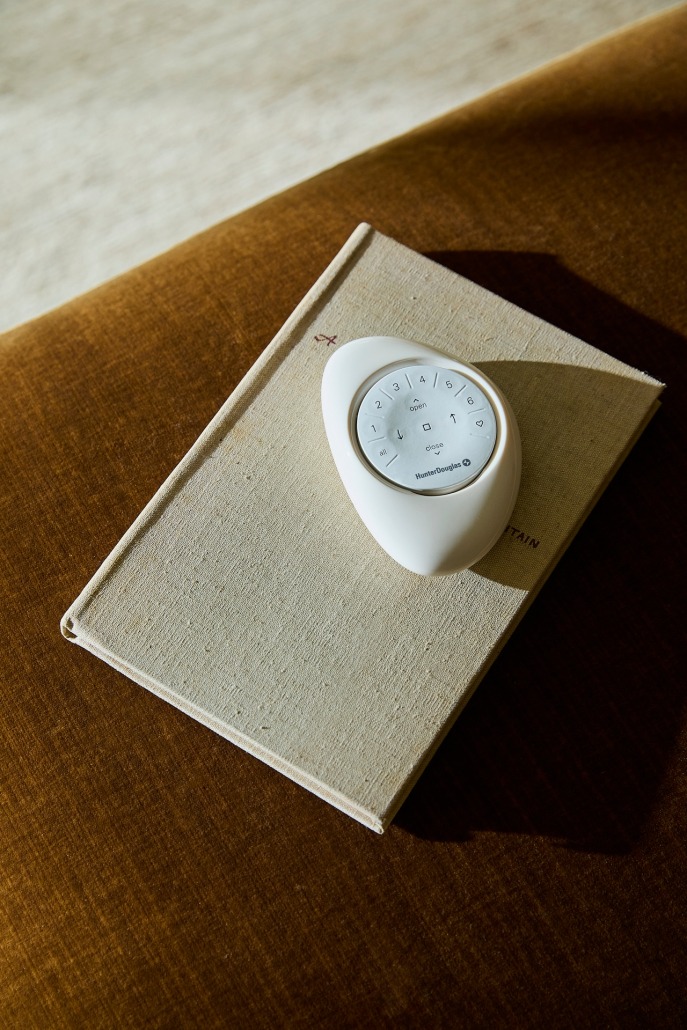
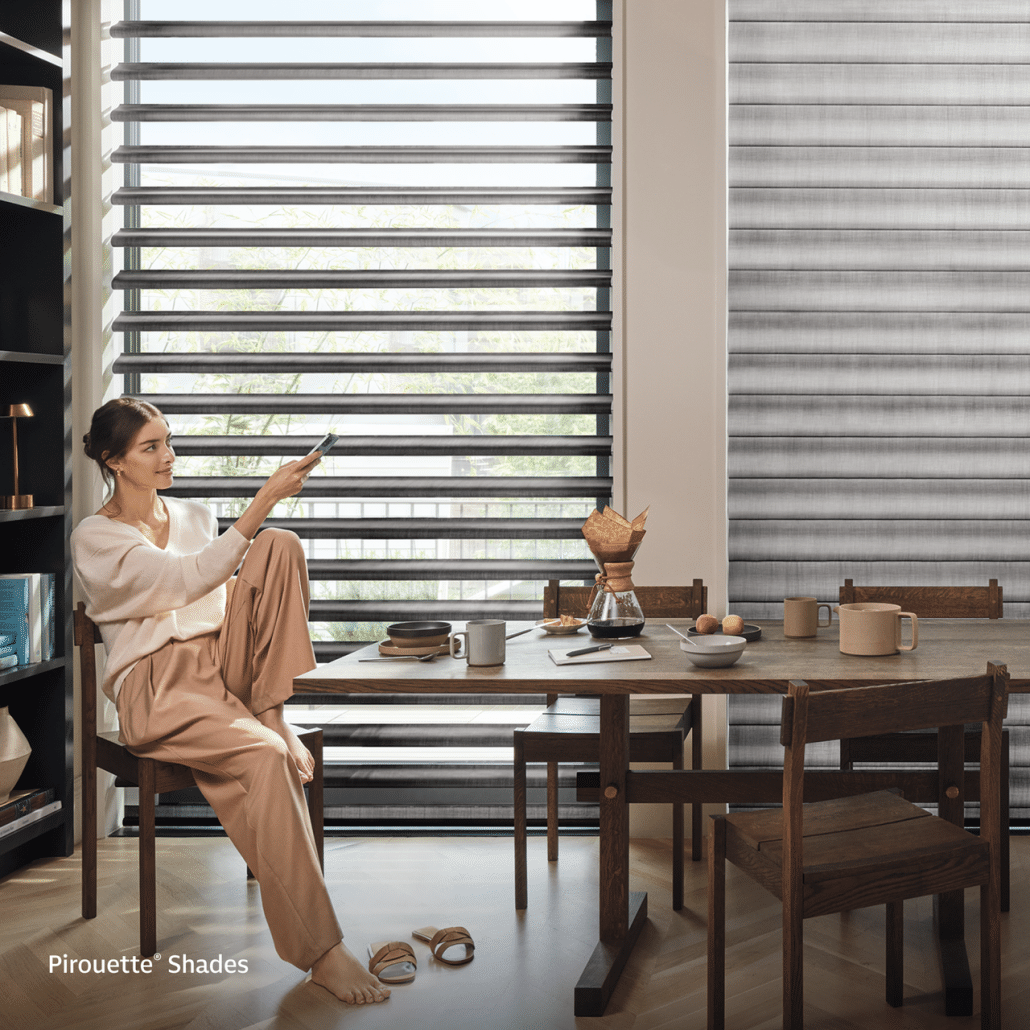
Depending on the system, shades may be controlled using:
Some systems allow you to operate a single shade, while others can control groups of shades together.
That means you could lower one bedroom shade independently or adjust an entire wall of windows at once.
Convenience is the most obvious reason homeowners consider motorized shades.
Opening one shade manually isn’t much work. But if you have several windows in a living room, multiple shades across an open-concept space or window treatments throughout an entire home, adjusting them every morning and evening can become surprisingly tedious.
Motorization simplifies that routine.
Instead of walking from window to window, you can potentially adjust several treatments at once.
That can be particularly useful in spaces with:
It’s a relatively small convenience that can become something you appreciate every day.
Some windows are beautiful—but not particularly easy to access.
Windows above staircases, behind deep furniture, high on a wall or in two-story rooms can make manually operated window treatments impractical.
Homeowners sometimes solve the problem by simply leaving those shades open or closed all the time.
Motorization allows you to actually use the window treatment as intended.
With remote or automated operation, you can adjust light and privacy without needing to stretch over furniture or find another way to reach the window.
For certain windows, that makes motorization less of a luxury and more of a practical solution.
Large windows can require large shades.
And large shades can sometimes be cumbersome to operate manually.
Motorization removes much of that physical effort and allows the shade to move smoothly using its operating system.
It’s especially worth considering for:
When you’re planning treatments for oversized windows, it’s worth discussing whether manual or motorized operation will be more practical long term.
Privacy needs change throughout the day.
You may enjoy having your windows completely open during the afternoon but want them covered as soon as it gets dark outside.
With manually operated shades, it’s easy to forget until you realize the interior of your home is clearly visible from outside.
Some motorized systems can be programmed or scheduled to adjust at particular times, depending on their features and configuration.
That can make privacy management much easier.
For example, shades might be set to lower in the evening and open again in the morning.
This can be especially useful for:
Instead of remembering to adjust every window, the shades can become part of your normal home routine.
Motorized shades can also make it easier to manage changing sunlight throughout the day.
A room that feels comfortable in the morning may experience intense glare or direct sun later in the afternoon.
Being able to easily adjust the shades makes it more likely you’ll actually use them to control that light.
Depending on the treatment and fabric, shades can help manage:
This can be particularly valuable for rooms with large south- or west-facing windows.
Window treatments can play a role in managing heat gain and heat loss at windows, although performance varies significantly depending on the product, fabric and installation.
Motorization doesn’t inherently make a shade more insulating.
What it can do is make it easier to use your window treatments strategically.
For example, shades can be closed during periods of strong summer sun or adjusted during cold weather depending on the home’s needs and the particular treatment.
In Minnesota, where homes experience both hot summer afternoons and very cold winter days, being able to use window treatments consistently can be a practical benefit.
If energy performance is one of your priorities, talk about it when selecting both the shade style and fabric—not just the motorization.
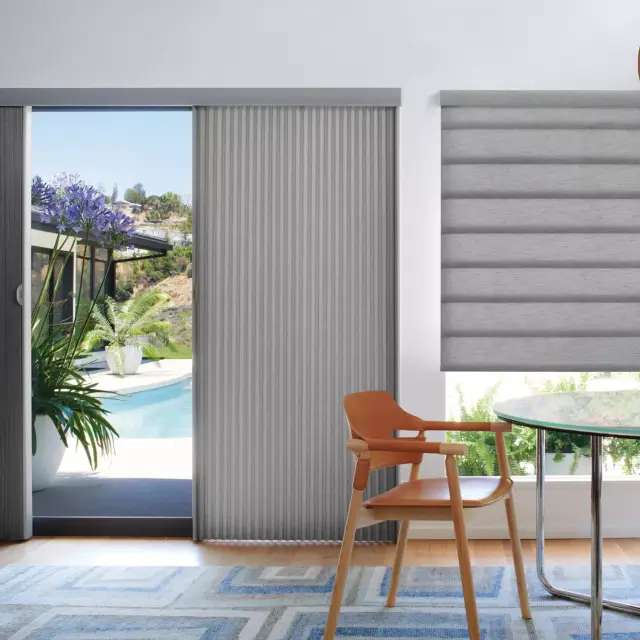
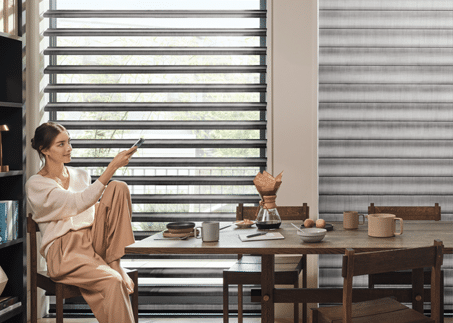
Motorized window shades can also create a clean, streamlined appearance because there is no need for a traditional operating cord.
That can work particularly well in contemporary and transitional interiors where homeowners want window treatments to feel simple and uncluttered.
Eliminating accessible operating cords is also an important consideration in homes with young children and pets.
Motorization isn’t the only cordless window-treatment option available, but it can combine cordless operation with push-button convenience.
One misconception is that motorized shades only make sense if you have a fully connected smart home.
That’s not necessarily true.
You may simply want a remote that opens and closes your shades.
For many homeowners, that’s enough.
Others may want more advanced features such as app control, schedules or integration with compatible smart-home platforms.
The important thing is to choose the level of technology you’ll actually use.
There’s little benefit in paying for advanced functionality if all you really want is a convenient way to raise and lower a difficult-to-reach shade.
Power options vary by manufacturer and product.
Depending on the system, motorized window treatments may use rechargeable batteries, replaceable batteries, plug-in power or hardwired electrical connections.
Each approach has advantages and considerations.
Battery-powered or rechargeable systems can make motorization possible without running new electrical wiring to every window. Hardwired systems may make sense in certain new construction or remodeling projects, particularly when electrical planning can happen before walls are finished.
The best solution depends on the number of windows, their locations, the selected product and the scope of the project.
If you’re building or remodeling and think you may want motorized window treatments, it’s smart to discuss them early in the project rather than waiting until everything else is complete.
This depends on the motorization system.
Battery-powered treatments aren’t necessarily affected by a household power outage in the same way a hardwired or plug-in system might be. Different products may also have different manual-operation or backup capabilities.
If this is a concern, ask how the specific system operates before making your selection.
It’s a good example of why comparing motorized shades involves more than simply choosing a fabric and remote.
Modern motorized window treatments are generally designed for smooth operation, but motor sound can vary by product, shade size and system.
If you’re considering motorization for a bedroom, nursery, office or another quiet space, ask to hear the system operate if a demonstration is available.
Small details like operating speed and sound may not seem important while you’re shopping, but they can affect how you feel about the product once you’re using it every day.
Motorized shades generally cost more than comparable manually operated shades because you’re adding a motor, controls and potentially additional technology or electrical components.
There isn’t one meaningful price that applies to every window.
Cost can vary based on:
Rather than thinking of motorization as an all-or-nothing whole-home decision, consider where it provides the most value.
You might motorize the large shades in your main living area while choosing manual treatments for smaller, easily accessible windows elsewhere.
That approach can provide many of the benefits while keeping the overall project within budget.
Motorization tends to provide the greatest benefit where manual operation would be inconvenient or where shades need to be adjusted frequently.
Good candidates include:
Hard-to-reach windows.
If operating the shade manually would be difficult, motorization can dramatically improve usability.
Large windows.
Motorization makes larger treatments easier to adjust.
Bedrooms.
Scheduled or remote operation can make morning and evening routines more convenient.
Media rooms and living rooms.
Quickly controlling glare without getting up can be surprisingly useful.
Open-concept spaces.
Grouping several shades together allows you to control a large room more efficiently.
Homes with many windows.
The more shades you adjust every day, the more noticeable the convenience becomes.
Not every window needs a motor.
If a window is small, easily accessible and rarely adjusted, manual operation may be perfectly practical.
Motorization may also be less important when budget is a bigger priority than convenience.
A thoughtful window-treatment plan doesn’t require every window in the house to operate the same way.
The goal is to put your budget where it makes the biggest difference.
For many homeowners, yes—but the value depends on the window.
Motorized shades are particularly worthwhile when they solve a problem: a window is difficult to reach, a shade is large and cumbersome, privacy needs change throughout the day or you have many treatments you’d like to operate together.
For other homeowners, the convenience itself is the benefit.
The best way to decide is to think about how often you’ll operate each shade and what you’d gain from motorizing it.
Instead of asking, “Should I motorize all my window treatments?”, ask:
“Which windows would benefit most from motorization?”
That usually leads to a much more practical answer.
Choosing motorized shades involves more than deciding whether you want a remote. Shade style, fabric, window size, power source, controls, privacy needs and your home’s overall design all play a role.
At House2Home Flooring & Design Studio, we can help you explore window-treatment options and determine where motorization makes sense for your home—and where it may not be necessary.
Whether you’re looking for a single motorized treatment for a hard-to-reach window or planning window treatments throughout your home, our design team can help you compare the options and create a solution that fits the way you actually live.
Visit our Ham Lake showroom to explore window treatments, fabrics and motorization options for your home.
H2H – from inspiration to installation.
Meta Title: Motorized Window Shades: Are They Worth It?
Meta Description: Are motorized window shades worth it? Explore convenience, privacy, light control, smart features, costs and where motorized shades make sense.
 https://house2homeflooring.com/wp-content/uploads/2026/11/checker-Feature.png
323
453
Candy Weisenberger
https://house2homeflooring.com/wp-content/uploads/2019/04/House2Home-Logo-Color.png
Candy Weisenberger2026-11-03 12:09:582026-10-12 20:31:25Checkerboard Tile Is Back: A Timeless Pattern with a Modern Twist
 https://house2homeflooring.com/wp-content/uploads/2026/10/motor-Feature.png
323
453
Candy Weisenberger
https://house2homeflooring.com/wp-content/uploads/2019/04/House2Home-Logo-Color.png
Candy Weisenberger2026-10-27 12:42:172026-09-29 17:26:00Motorized Window Shades: Are They Worth It?
 https://house2homeflooring.com/wp-content/uploads/2026/09/Privacy-Feature.png
323
453
Candy Weisenberger
https://house2homeflooring.com/wp-content/uploads/2019/04/House2Home-Logo-Color.png
Candy Weisenberger2026-10-13 15:53:392026-09-29 16:39:35How to Choose Window Treatments for Privacy Without Losing Natural Light

Tues: 8am – 7pm
Mon • Wed • Thurs • Fri: 8am – 6pm
Saturday: 10am – 4pm
Sunday: Closed


 Checkerboard Tile Is Back: A Timeless Pattern with a Modern Twist